Common Stairlift Problems & How to Check Them
 By the UK Mobility Stairlifts Editorial Team · How we research
Published Invalid Date · 2 min read
Many everyday stairlift issues have simple, safe causes you can check yourself before calling out an engineer. Here are the most common ones.
Quick answer: The most common stairlift problems are the lift not being parked on its charging points, a safety sensor triggered by something on the stairs, the seat or footrest not being in position, or an ageing battery. Simple checks often resolve them, but leave any actual repair to a qualified engineer.
The lift won't move or is beeping
Work through these safe checks:
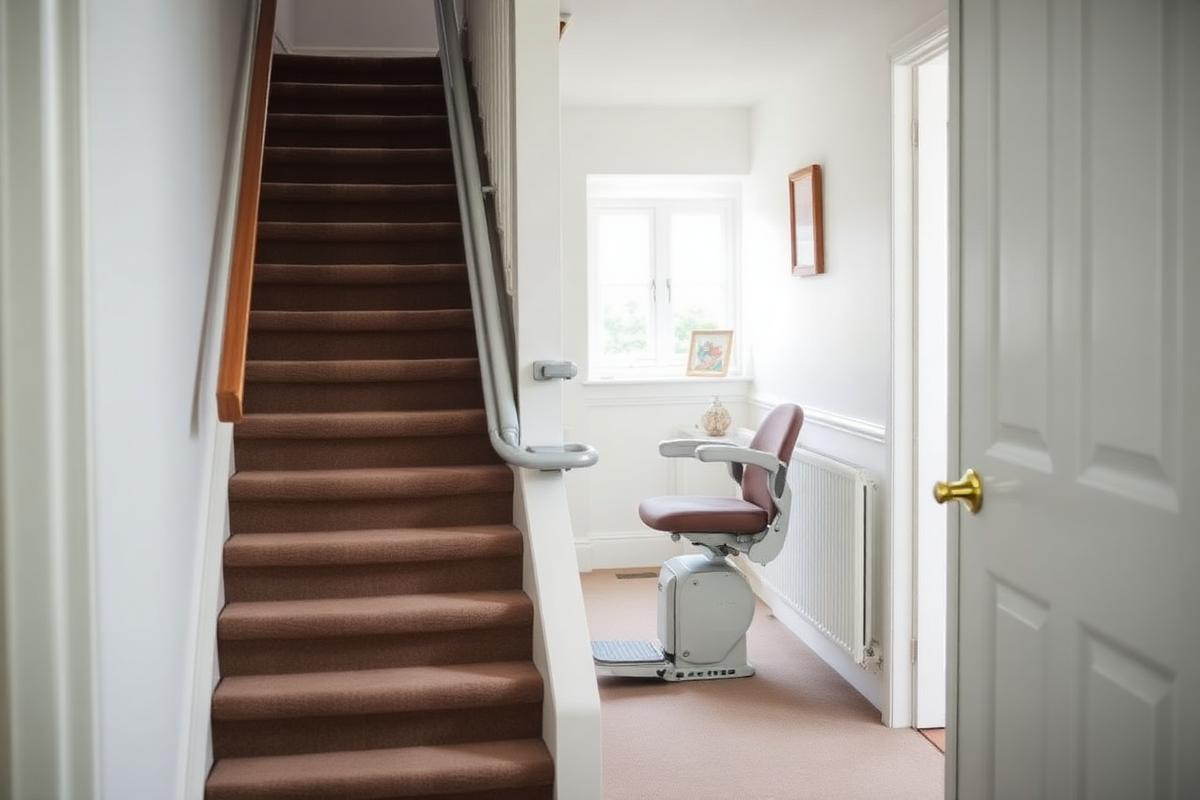
- Is it on charge? Most stairlifts only charge properly when parked at the charging point. If it's been left mid-stairs, the battery can run low, a common cause of beeping.
- Is the key or isolator switch on?
- Is the seat in position? The swivel seat usually needs to be locked facing forward, with the footrest down.
- Is anything on the stairs? Safety sensors stop the lift if something is in the way, clear the staircase and the rail.
The lift stops part-way up or down
This is usually the safety sensors doing their job, something on the rail or stairs has triggered them. Check the staircase is completely clear along the whole rail.
Ready to compare your options?
Answer a few quick questions and we will match you with a suitable stairlift quote.
The lift won't charge
- Confirm it's parked on the charging points.
- Check the power supply to the charger is switched on and working.
- If it still won't charge, the battery may need replacing, see our battery replacement guide.
Unusual noises or persistent faults
Grinding, clunking or a fault that won't clear should be looked at by a qualified engineer, don't attempt to dismantle or repair the lift yourself. For brand-specific fault codes, see our guides for Acorn, Stannah and Brooks.
When repair isn't worth it
If your stairlift is old and needs frequent repairs, replacing it can work out more cost-effective, and a new lift comes with a full warranty. You can get a free, no-obligation quote below.
Where to go next: stairlift costs · types of stairlift · Acorn Stairlifts · get a free quote
Frequently asked questions
About UK Mobility Stairlifts
We compare UK stairlift brands, prices and funding using published specifications, dated price data and official guidance. Every figure on this page links back to how we checked it.
Editorial policyRelated guides
Sources & further reading
- Electrical safety in the home , Health and Safety Executive
- Supply of Machinery (Safety) Regulations: safe equipment in the UK , Health and Safety Executive
- Home adaptations and equipment for social care , NHS