Removing a Stairlift
 By the UK Mobility Stairlifts Editorial Team · How we research
Published Invalid Date · 2 min read
Whether a stairlift is no longer needed, or you've moved into a home that already has one, removing it is usually a simple, tidy job for a professional.
Quick answer: A stairlift is removed by unbolting the rail from the stair treads and disconnecting the power, a quick job best done by a professional. It leaves only small, easily repaired fixing holes, and the walls are untouched. You may be able to sell the lift back or on, especially a straight model.
Why people remove a stairlift
- The person who used it no longer needs it.
- The family are selling or clearing a home.
- You've bought a house that already has one you don't want.
Should you remove it yourself?
It's best not to. A stairlift is heavy and has electrical components, so removing it safely, without hurting yourself or damaging the stairs, is a job for a professional. A stairlift removal service can do it quickly and cleanly.
Ready to compare your options?
Answer a few quick questions and we will match you with a suitable stairlift quote.
What removal involves
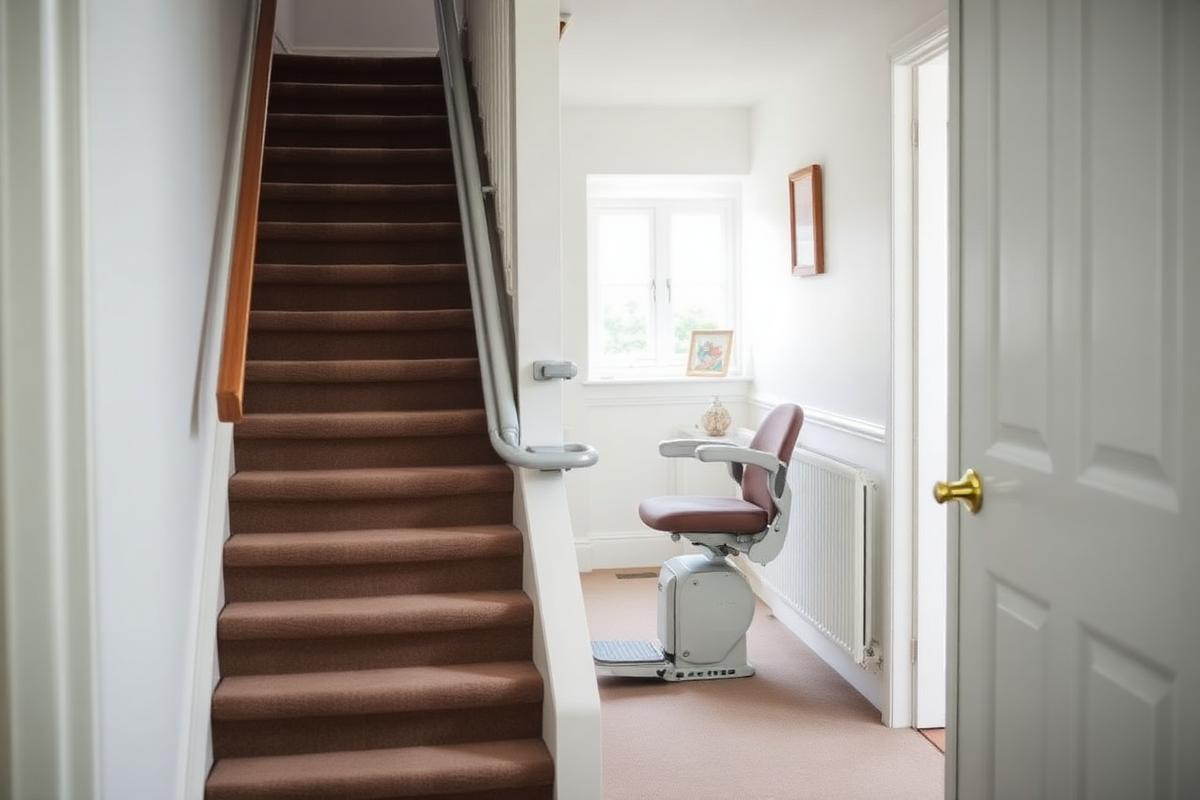
The rail is unbolted from the stair treads and the lift disconnected from the power. Because the rail was fixed to the treads and never to the walls, removal leaves only small fixing holes, which are easily filled and repaired. See do stairlifts damage your stairs? for more on what's left behind.
What happens to the old stairlift
You often have options rather than simply scrapping it:
- Buy-back, some suppliers will take a stairlift back.
- Resale or reconditioning, straight stairlifts in particular can be reconditioned and reused. Curved rails are bespoke, so they're harder to reuse.
- Recycling, responsible disposal if it can't be reused.
If you're removing an older stairlift because you need a different or newer one, for example a curved lift for stairs a straight model can't manage, you can get a free, no-obligation quote below.
Where to go next: stairlift costs · straight stairlifts · curved stairlifts · get a free quote
Frequently asked questions
About UK Mobility Stairlifts
We compare UK stairlift brands, prices and funding using published specifications, dated price data and official guidance. Every figure on this page links back to how we checked it.
Editorial policyRelated guides
Sources & further reading
- Help with home adaptations and repairs , Citizens Advice
- Home adaptations and equipment for social care , NHS
- Electrical safety in the home , Health and Safety Executive