Stairlifts for the Elderly: How to Choose the Right One
 By the UK Mobility Stairlifts Editorial Team · How we research
Published 28 July 2026 · Updated 16 October 2026
Quick answer
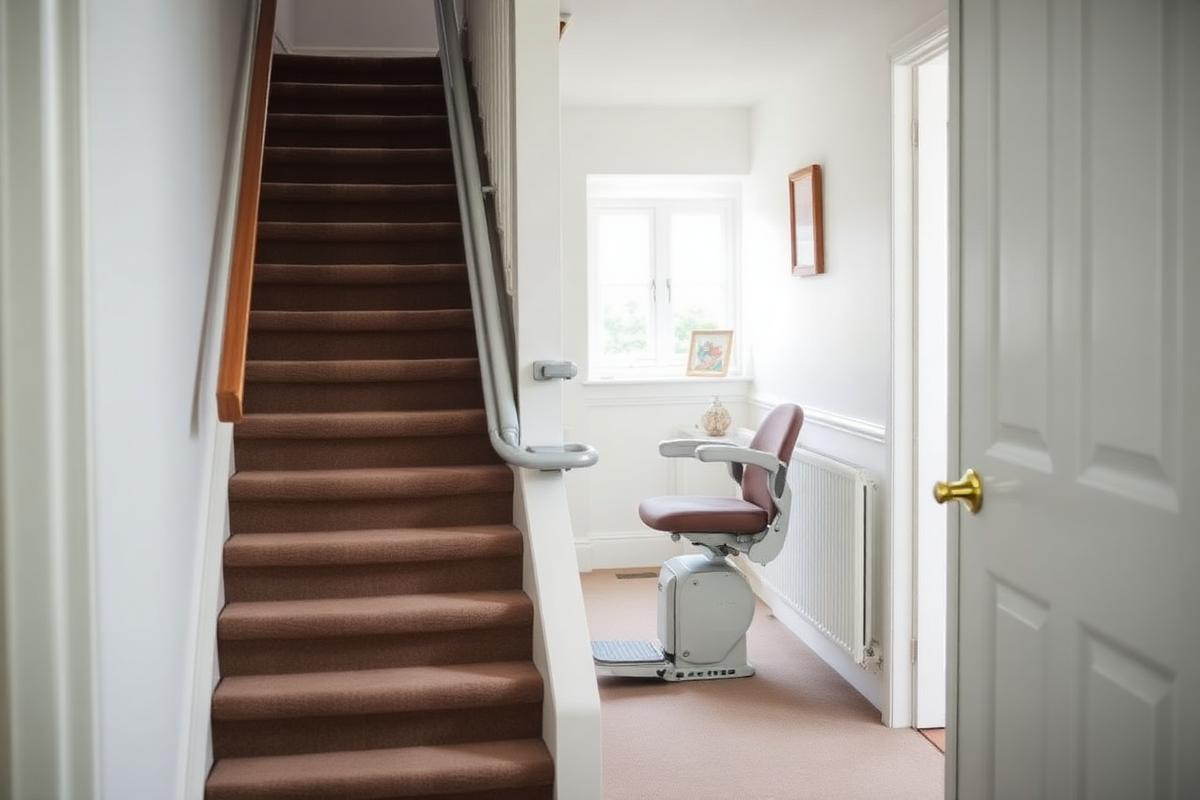
For most older people, the best stairlift is a seated model with a powered swivel seat, simple armrest controls, a seatbelt and safety sensors. If bending the knees is hard, a perch stairlift may be more comfortable. Choose by staircase shape first (straight or curved), then by the user's weight, mobility and how easily they can use the controls.
Key Takeaways
- Swivel seat matters most: a powered swivel seat turns the user away from the stairs at the top, which is the riskiest moment.
- Simple controls: a single paddle or joystick on the armrest is easier for many older users than small buttons.
- Safety is standard: seatbelts, safety sensors and soft start and stop come as standard on reputable lifts, not as paid extras.
- Price: new straight stairlifts typically cost £2,000–£4,000 fitted, and curved lifts start at around £5,000. Grants and VAT relief can reduce this.
- Get an assessment: an occupational therapist can advise on the right lift, and is often needed for council funding.
The Features That Matter Most for Older Users
| Feature | Why it matters | Ask for |
|---|---|---|
| Powered swivel seat | Safer getting on and off at the top | Powered, not manual, if turning is hard |
| Armrest controls | Easy to use with arthritis or weak grip | Paddle or joystick, not small buttons |
| Seatbelt | Keeps the user secure | Retractable belt, easy to fasten |
| Safety sensors | Stop the lift if something is on the stairs | Sensors on the footrest and carriage |
| Battery power | Works in a power cut | Battery back-up as standard |
| Seat height | Easier to sit and stand | Adjustable at installation |
| Remote controls | Someone else can call or send the lift | Call-and-send remotes at the top and bottom |
Find a stairlift that suits your parent's stairs
Answer a few questions about the staircase and the user to see which stairlift types are likely to fit.
Seated or Perch: Which Is Better?
A seated stairlift suits most older users and is the most comfortable for daily use. A perch stairlift holds the user half-standing, which suits people who find bending their knees or hips painful, and fits narrow or steep stairs. The user needs enough balance to stand during the ride.
Signs an Elderly Parent Needs a Stairlift
- Holding on to the wall or banister with both hands.
- Stopping to rest partway up the stairs.
- Moving their bed downstairs or avoiding going upstairs.
- A recent fall, a near miss, or a fear of falling.
- A recent operation or diagnosis that affects mobility.
How Much Does a Stairlift Cost, and Can You Get Help?
New straight stairlifts typically cost £2,000–£4,000 fitted, and curved lifts start at around £5,000. A Disabled Facilities Grant from the council may help in England, Wales and Northern Ireland, and stairlifts can be zero-rated for VAT for people with a long-term illness or disability.
Talking to a Parent About a Stairlift
Start with safety and independence, not age. Explain that a stairlift helps them stay in their own home and keep using the whole house. Involve them in the survey and in choosing the model, and let them try the controls before deciding. An occupational therapist's advice can help if they're unsure.
Frequently asked questions
Find the Right Stairlift for Your Parent
The right stairlift depends on the stairs and on how your parent moves. A free survey checks both and gives you a written price with no obligation. Many families book the survey together so their parent can try the controls.
Related guides
About UK Mobility Stairlifts
We compare UK stairlift brands, prices and funding using published specifications, dated price data and official guidance. Every figure on this page links back to how we checked it.
Editorial policy