Home Adaptations for the Elderly & Disabled
 By the UK Mobility Stairlifts Editorial Team · How we research
Published Invalid Date · 2 min read
Adapting a home doesn't have to mean major building work. Often a combination of small, well-chosen changes is enough to help someone stay safe and independent for years longer.
Quick answer: Common home adaptations include grab rails, ramps, walk-in showers or wet rooms, raised toilet seats, lever taps, improved lighting and a stairlift for the stairs. An occupational therapist can assess what would help, and funding such as the Disabled Facilities Grant may cover the cost.
This guide provides general information, not medical or care advice. For a personal assessment, speak to your GP or an occupational therapist.
Common home adaptations
- Grab rails by steps, the bath and the toilet.
- Ramps for thresholds and entrances.
- Walk-in showers or wet rooms in place of a bath that's hard to climb into.
- Raised toilet seats and support frames.
- Lever taps and easy-reach storage.
- Better lighting, especially on stairs and in hallways.
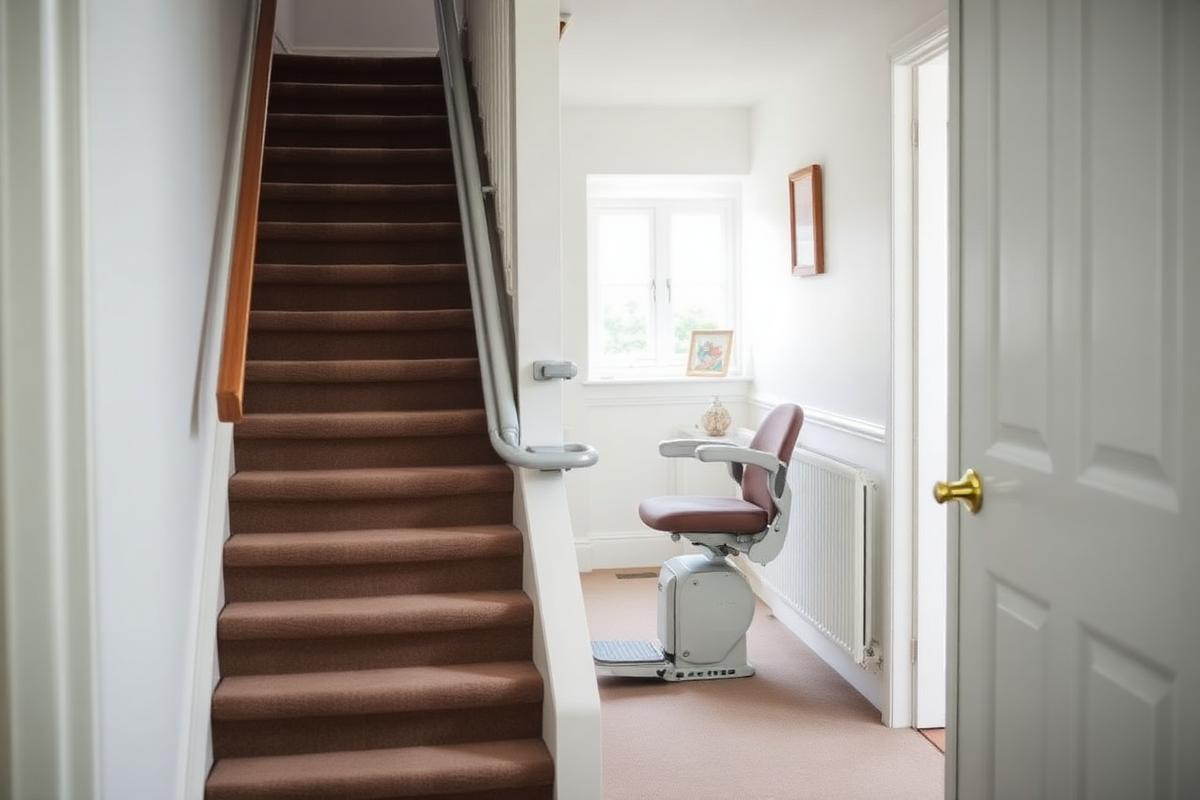
- A stairlift where the stairs have become difficult.
Getting the right adaptations
The best starting point is an occupational therapist (OT) assessment, which you can arrange through your GP or your local council's social services. An OT looks at your home and needs and recommends what would genuinely help.
Ready to compare your options?
Answer a few quick questions and we will match you with a suitable stairlift quote.
Paying for adaptations
Adaptations can be more affordable than people expect once funding is taken into account:
- The Disabled Facilities Grant can fund larger works, including a stairlift.
- Eligible customers pay no VAT on a stairlift.
- Charities and other funds may help too.
Making the stairs accessible
Of all the adaptations, the stairs are often the one that makes the biggest difference to daily life. A stairlift keeps the whole home usable without the cost and upheaval of moving or converting a room downstairs. To get a free, no-obligation quote, fill in the form below.
Where to go next: types of stairlift · stairlift costs · funding and grants · get a free quote
Frequently asked questions
About UK Mobility Stairlifts
We compare UK stairlift brands, prices and funding using published specifications, dated price data and official guidance. Every figure on this page links back to how we checked it.
Editorial policy