Getting Up & Down Stairs After Surgery
 By the UK Mobility Stairlifts Editorial Team · How we research
Published Invalid Date · 2 min read
After hip, knee or other surgery, the stairs can be one of the biggest day-to-day challenges during recovery. With the right guidance, and sometimes a temporary aid, they're manageable.
Quick answer: After surgery, always follow your physiotherapist's and surgeon's guidance on when and how to use the stairs. A secure handrail helps, and for the recovery period a temporary stairlift rental can remove the strain entirely, with installation and removal usually included.
This guide provides general information, not medical advice. After any operation, always follow the specific guidance of your surgeon and physiotherapist.
Stairs during recovery
In the weeks after surgery, stairs can be painful and tiring, and doing them incorrectly can risk your recovery. Your physiotherapist will show you the safest technique and advise when you're ready, this guidance should always come first.
Practical support
- Use a secure handrail for support and balance.
- Take it slowly and don't rush.
- Keep the stairs clear and well lit.
- Follow any exercises or techniques your physiotherapist recommends.
Ready to compare your options?
Answer a few quick questions and we will match you with a suitable stairlift quote.
A temporary solution: stairlift rental
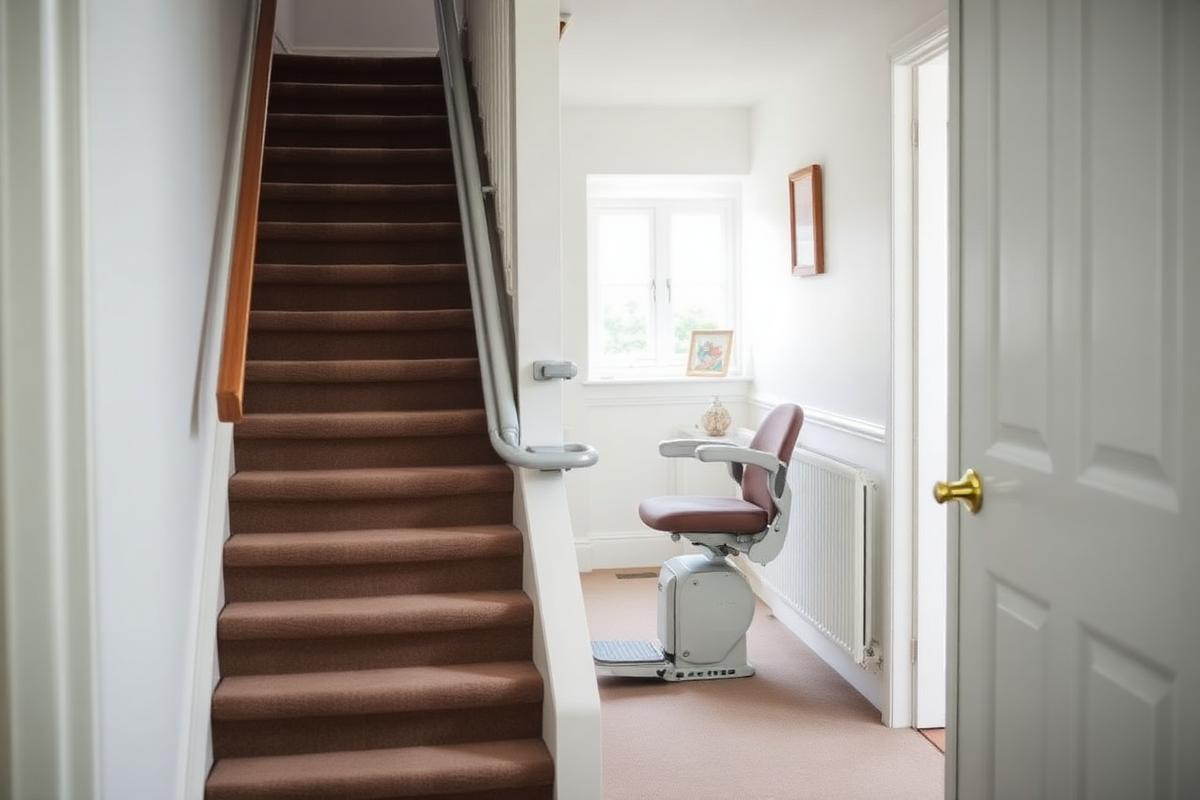
If the stairs are a real obstacle during recovery, a stairlift can remove the strain completely, and because the need is temporary, renting rather than buying often makes the most sense. Rental has a lower upfront cost, and installation, servicing and removal are usually included, so the lift is simply taken away once you're back on your feet.
Our guide to buying vs renting a stairlift explains when each makes sense. If a longer-term need becomes clear, buying may work out better value.
To ask about a stairlift for your recovery, fill in the form below for a free, no-obligation quote.
Where to go next: types of stairlift · stairlift costs · funding and grants · get a free quote
Frequently asked questions
About UK Mobility Stairlifts
We compare UK stairlift brands, prices and funding using published specifications, dated price data and official guidance. Every figure on this page links back to how we checked it.
Editorial policy