Managing Stairs with Arthritis & Reduced Mobility
 By the UK Mobility Stairlifts Editorial Team · How we research
Published Invalid Date · 2 min read
Arthritis and other conditions that affect the joints can make stairs painful and tiring. Small changes help, and where the stairs have become a real struggle, a stairlift can take the strain away completely.
Quick answer: With arthritis, a secure handrail, taking your time and pacing yourself all make stairs more manageable. Where joint pain makes climbing stairs painful or unsafe, a stairlift removes the strain entirely by carrying you up and down.
This guide provides general information, not medical advice. For guidance tailored to your condition, speak to your GP, physiotherapist or occupational therapist.
Why stairs are hard with arthritis
Stairs place repeated load on the hips, knees and ankles, the joints arthritis most often affects. Pain, stiffness and reduced strength can make climbing slow, tiring and, over time, a real barrier to using the upstairs of a home.
Practical tips that can help
- Use a secure handrail for support and to take weight off the joints.
- Take your time and pace yourself rather than rushing.
- Keep the stairs well lit and clear.
- Ask a physiotherapist about techniques and exercises suited to your condition.
Ready to compare your options?
Answer a few quick questions and we will match you with a suitable stairlift quote.
When a stairlift is the right answer
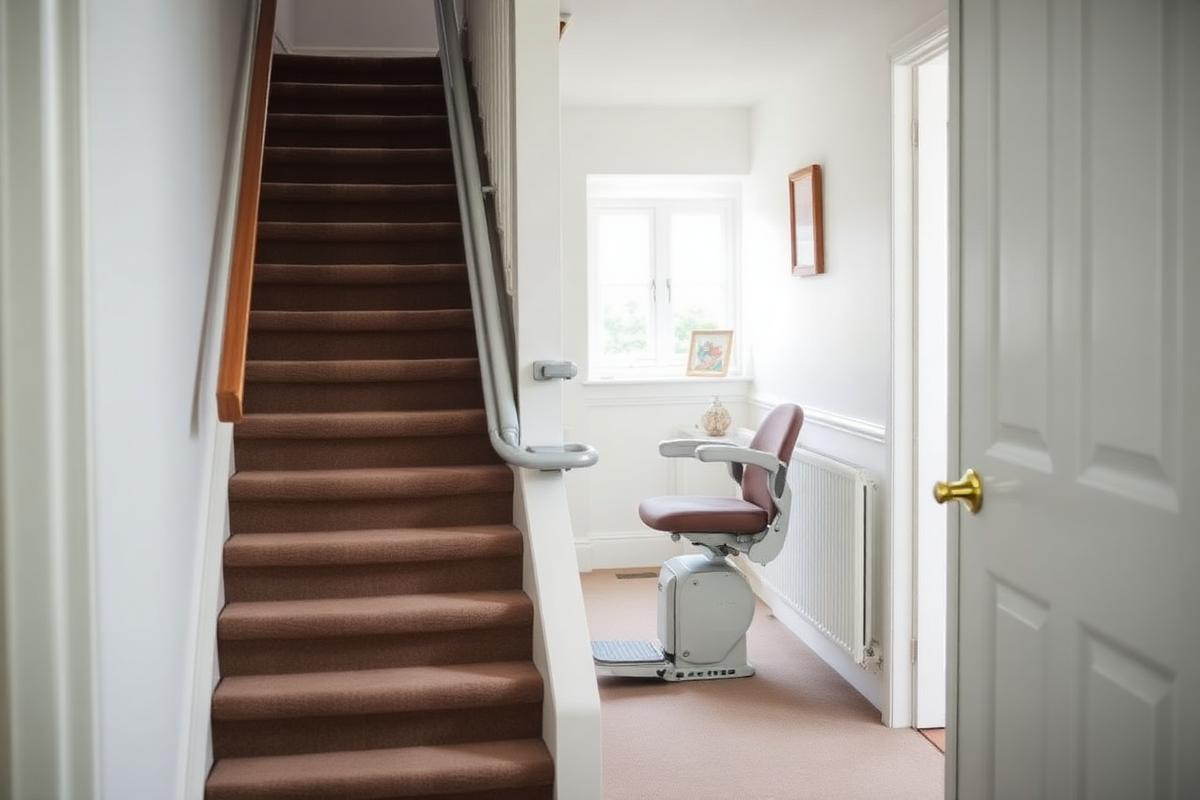
If the stairs are consistently painful or you're starting to avoid them, a stairlift removes the strain altogether, it does the climbing for you, protecting your joints and keeping the whole home accessible. Many people find it makes a real difference to their comfort and independence.
There may be funding or VAT relief to help with the cost, as a long-term condition can qualify you for VAT exemption. To find out more, fill in the form below for a free, no-obligation quote.
Where to go next: types of stairlift · stairlift costs · funding and grants · get a free quote
Frequently asked questions
About UK Mobility Stairlifts
We compare UK stairlift brands, prices and funding using published specifications, dated price data and official guidance. Every figure on this page links back to how we checked it.
Editorial policy